11 June 2019

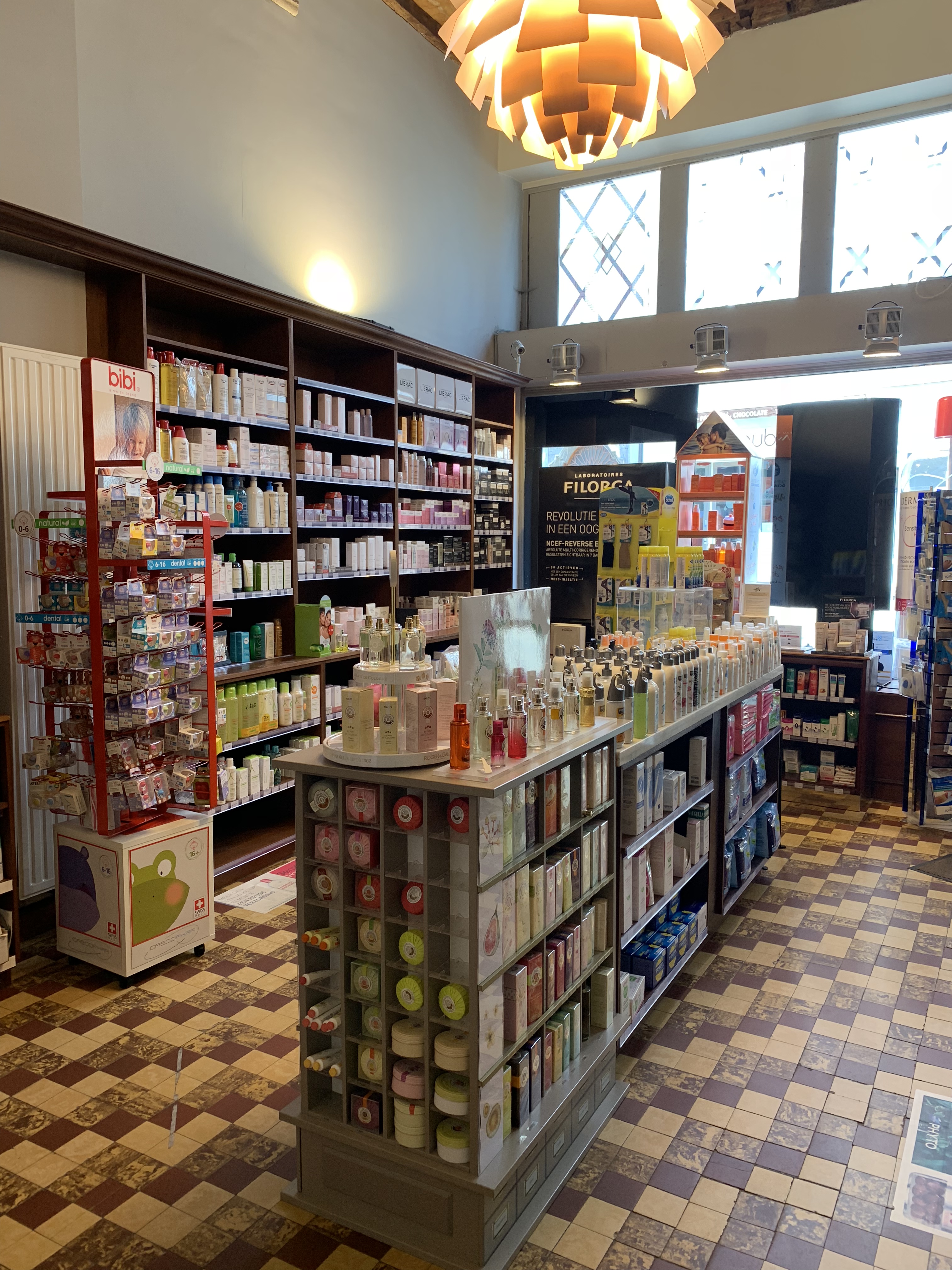
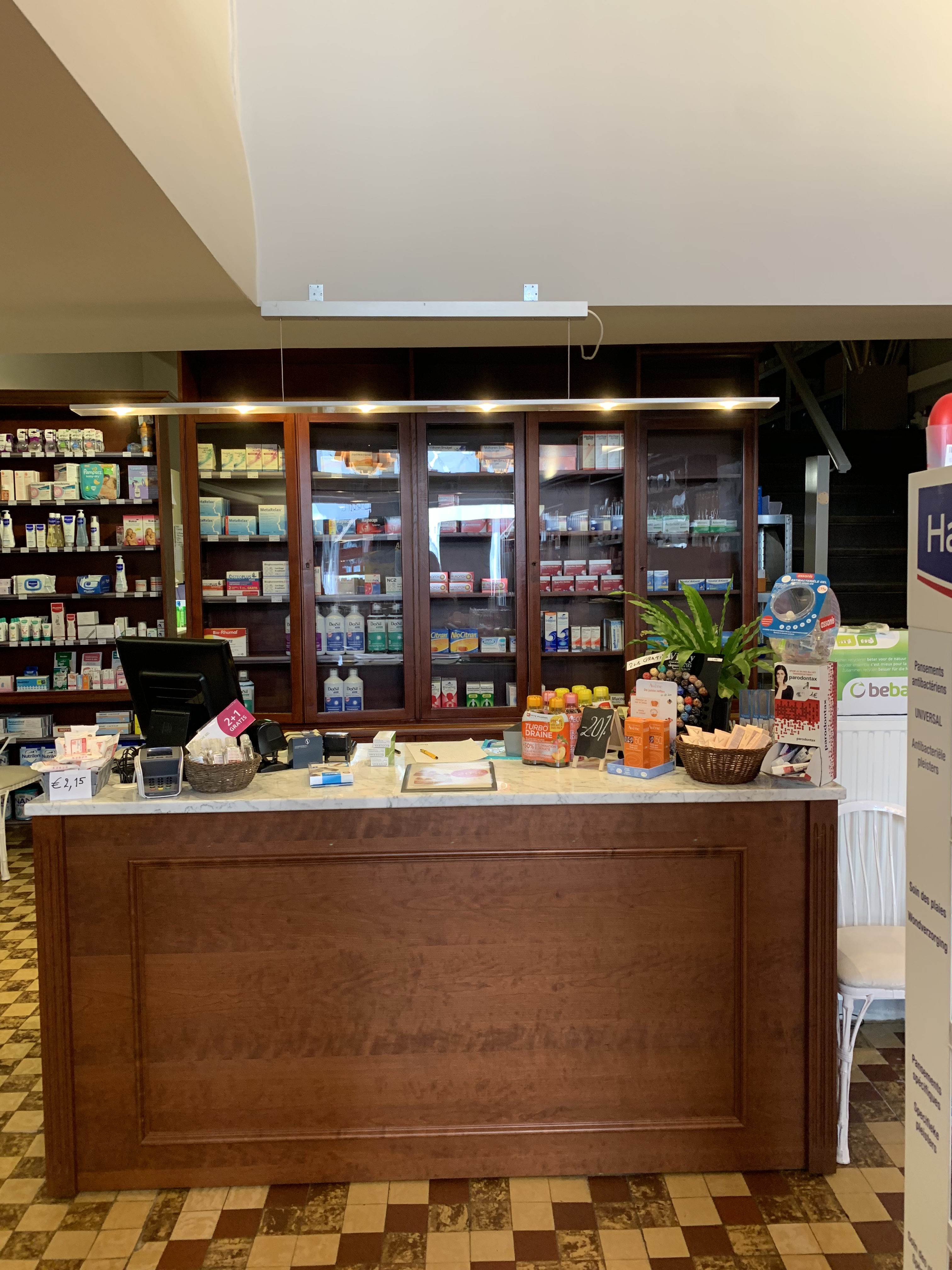
On June 11th, our group visited a pharmacy in Antwerp, Belgium right in the center square by the infamous statue of Barbo throwing the giant’s hand into the river. The head pharmacist gave us a summary of what they do in the Apotheek (pharmacy) and answered a few questions the group had about pharmacy practice and medication use in Belgium.
Dr. Van de Looverbosch explained that the healthcare system in Belgium is different than any of the surrounding countries and that each citizen is required by law to sign a contract with a health insurance. Each insurance company provides the same amount of coverage for everyone but differs in religious or political preference. This is how people determine what insurance they would like to use. Once a citizen has insurance, they pay very little for prescribed medication. In comparison, the U.S. Medications are almost entirely covered by insurance, but there is a small portion the patients must pay. This amount does not change from insurance to insurance, it is the same for everyone.
When asked about the most commonly prescribed medications, Dr. Van de Looverbosch gave us a list. The common medications he listed are prescribed for: pulmonary disease, high cholesterol, thrombosis, diabetes, multiple sclerosis, tumors, HIV, hypertension, antibiotics, osteoporosis, and anti-psychotics. The common non-prescription medications are purchased for: pain, fever, cold, yeast infections, eczema, mucus, cough and allergies. The discussion of common drugs segued into a conversation about birth control pills. We learned that, in Belgium, the use of contraception by 15-49 year olds has increased from 48% to 54% and the use of birth control pills specifically has doubled in 15-21 year olds. The IUD is also a popular form of contraception and 75% of women that don’t use the pill have an IUD instead.
In the US, we have a serious problem with opioids that physicians and pharmacists alike are hoping to fix. Belgium also faces similar circumstances with drug abuse and addiction. Signs of medication abuse are patients calling in prescriptions before their appointment with a physician, lying about a prescription, constantly “losing” medicine and needing replacements or just showing patterns of needing a certain drug consistently. Currently in Belgium, prescriptions are not done digitally like most are in the US, which allows more false prescriptions and lack of communication between physicians and pharmacists. By the year 2020, the prescriptions will be entirely electronic and a common server will be used by both physician and pharmacist to limit drug misuse and promote communication.
- Julia Halloran

 Public Health Abroad!