Public Health Clinic Serving Sex Workers (P&G292) in Amsterdam, NL

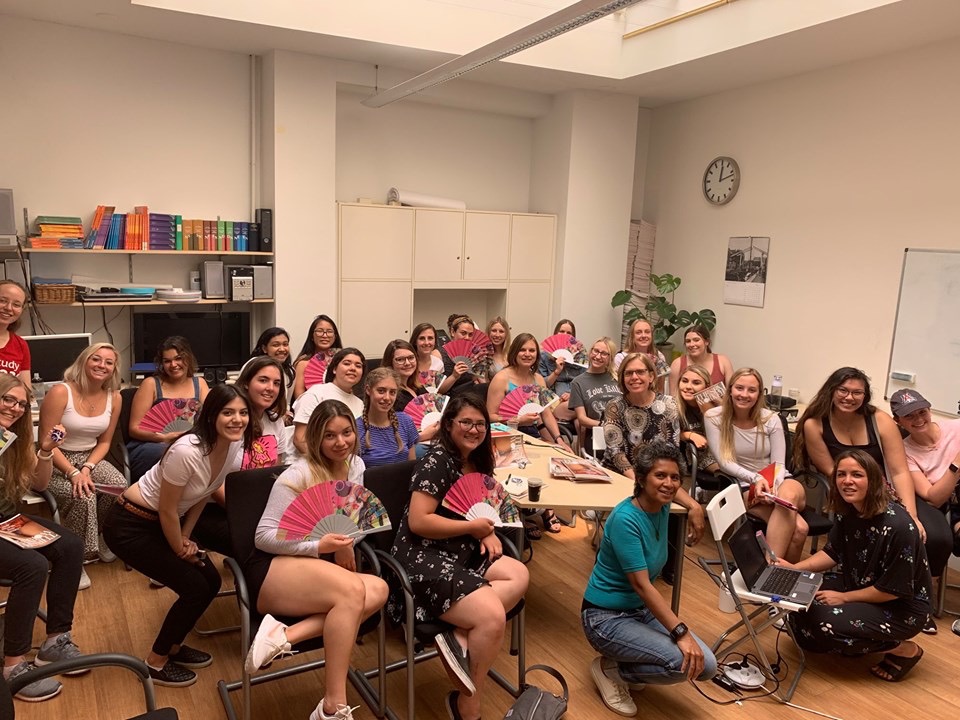
Legalized in 2000, prostitution has been a source of controversy in Amsterdam, Netherlands. However, to counteract issues that follow this controversy, programs like P & G 292 arose to help those involved with sex work. Offering services like STI testing, contraception, basic health procedures, education, and simply support, employees at the center work to foster a positive environment for sex workers. In the following post, I look at our group’s discussion with Jane and Malky, two individuals who have a significant impact in Amsterdam’s community.

Opened in 2008, P & G provides services free of charge to sex workers through funding from municipalities in the local Public Health Authority. Further building off the programs offered at the clinic, the center offers information regarding unplanned pregnancies, hormone treatments for transgender individuals, and advice regarding each person’s situation, all while maintaining anonymity. This information provides healthier, safer options for thousands of sex workers.

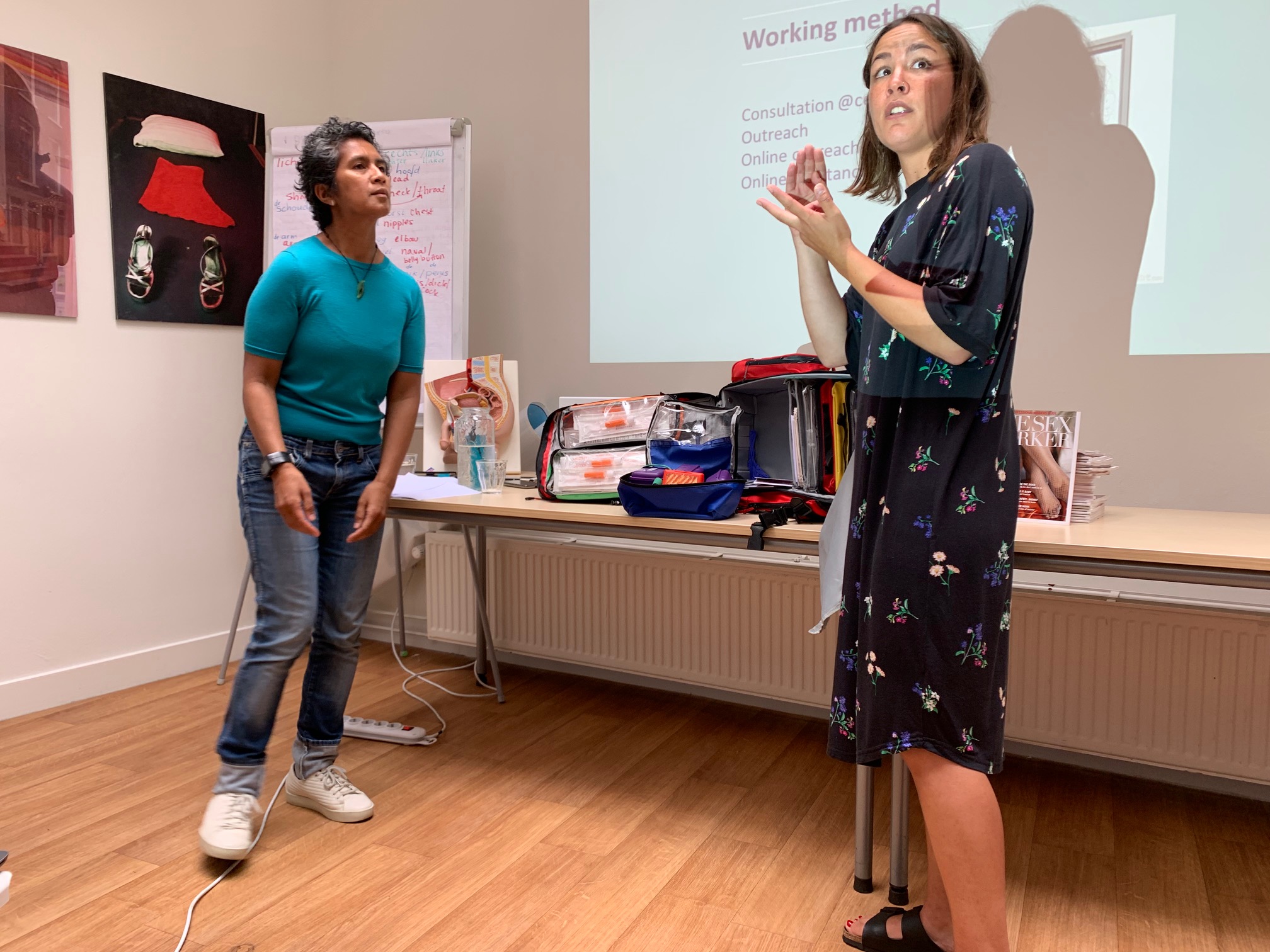
As far as how these services reach the target individuals (which includes prostitutes, pornographic actors and actresses, and escorts/out-of-home sex workers), there are many forms that have increased the effectivity of the program. This includes having employees talking to the internet to chat with individuals and even going out into the community with a “field clinic” backpack (pictured above). All of these efforts have resulted in less cases of STIs and more effective contraceptive use in the community.

Today’s discussion was very eye-opening. One way that I learned an important skill was from one of our speakers, Malky. She said, “sometimes, it’s not even following what you have to do, you just have to listen.” This is likely the reason why this program is so productive as it gains the trust of sex workers while reinforcing their importance of a healthy lifestyle.

  • Caitlin Ang

Yoga Class in Amsterdam, NL

17 June 2019

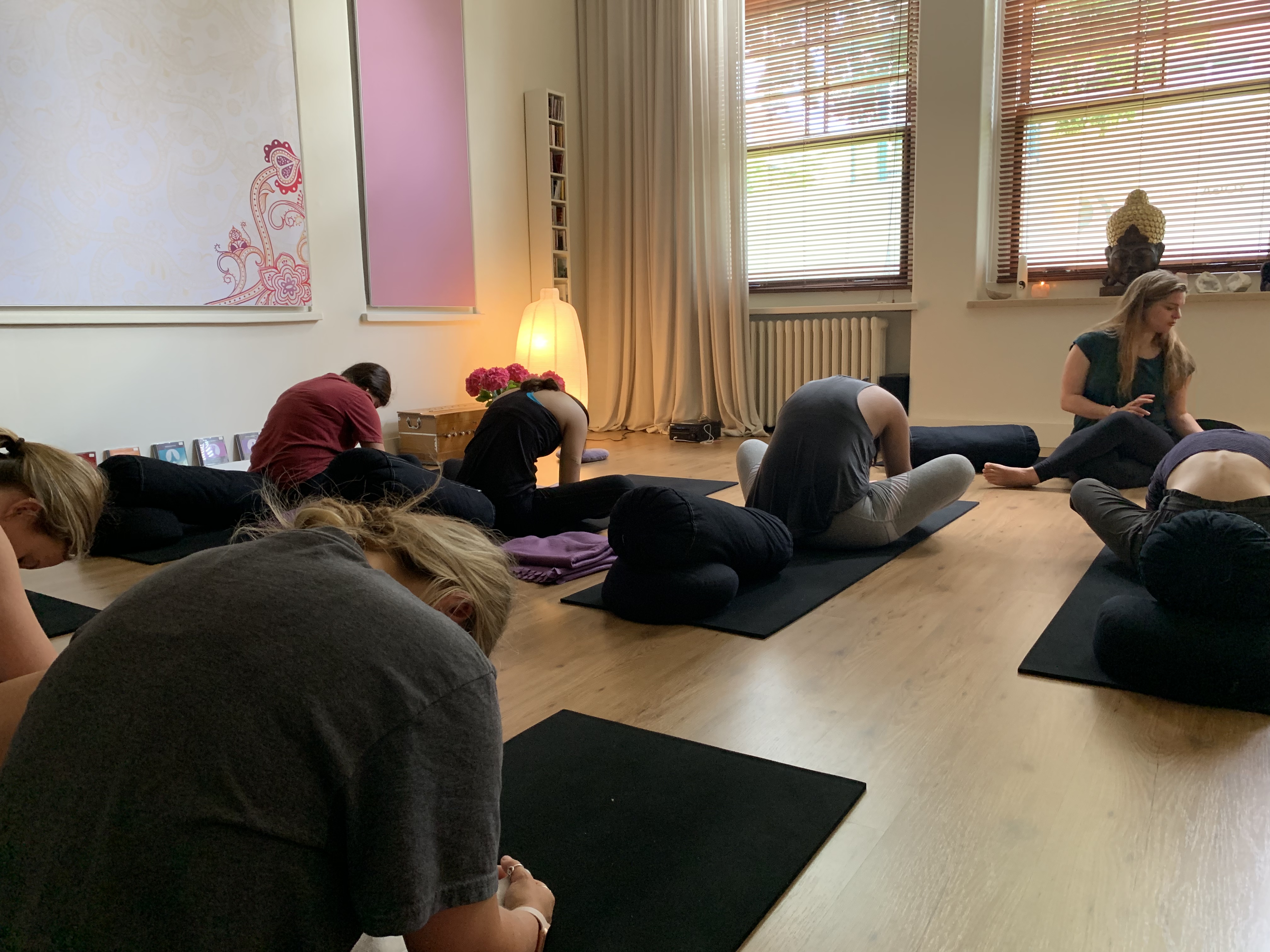
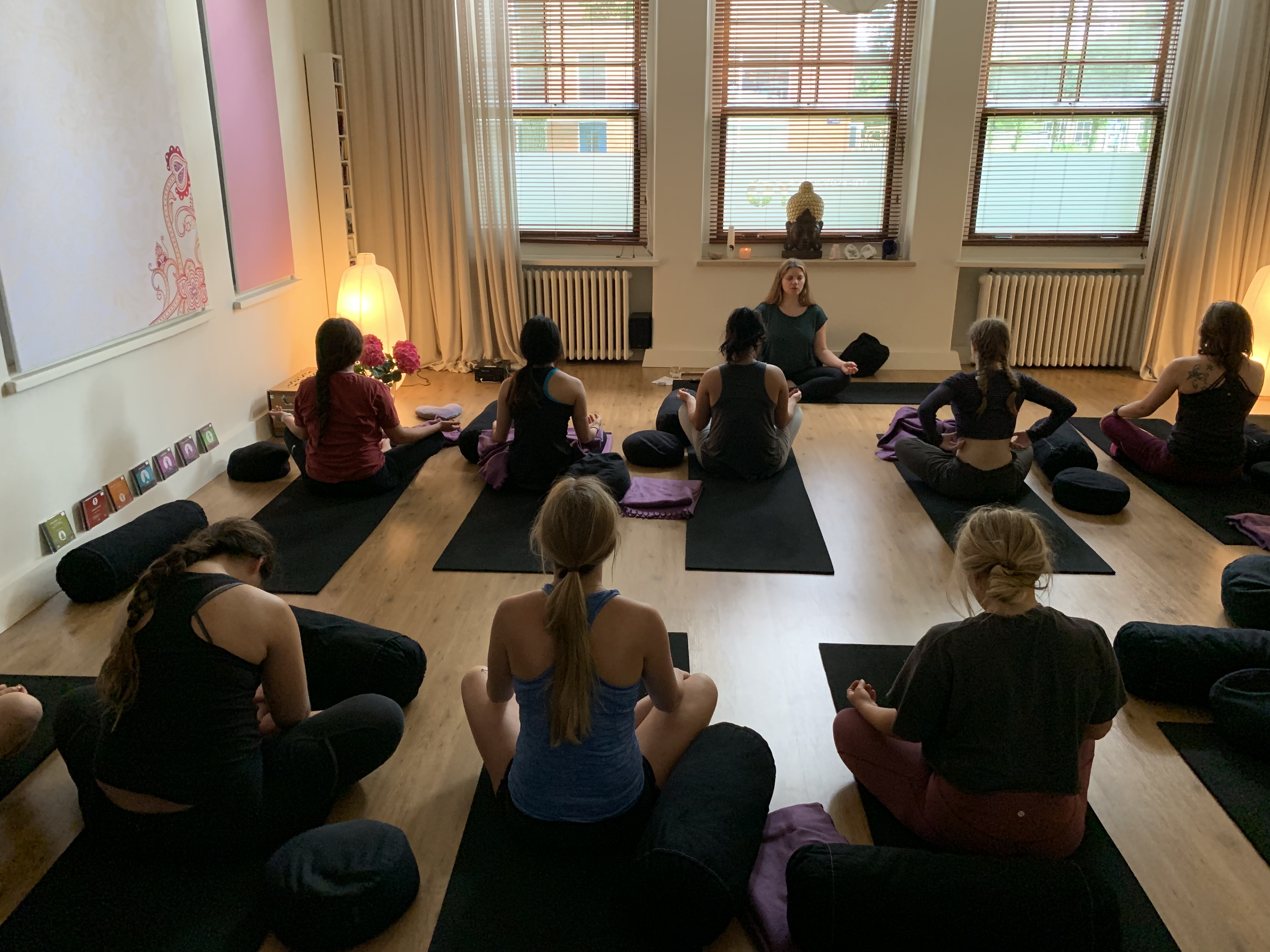
We’re a little more than halfway done with our study abroad experience, so you can imagine our bodies are a little drained from the miles of walking, exploration, and activities. That’s why it was a perfect day to do yin yoga to become in a complete relaxed mental and physical state.

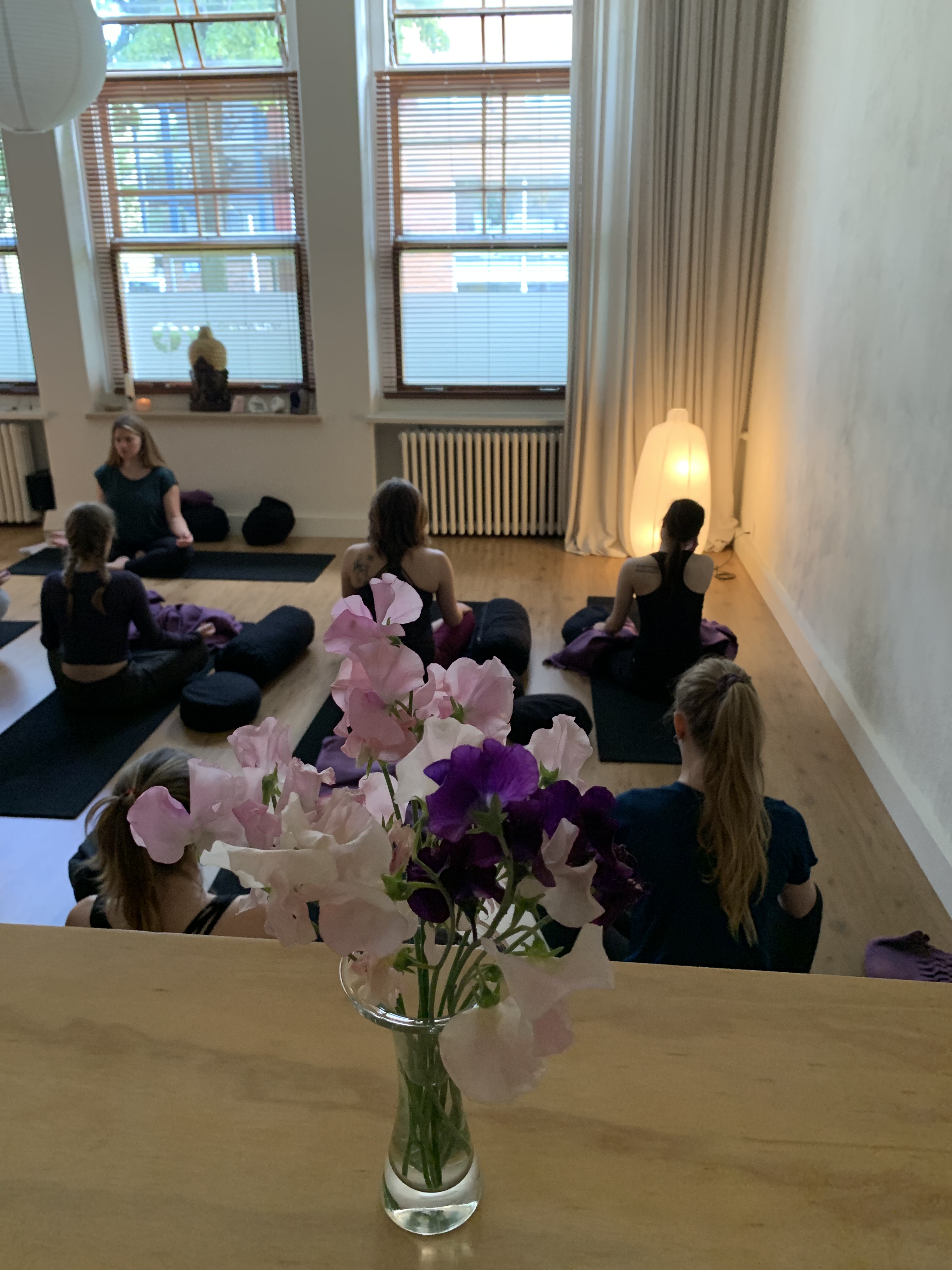
Yin yoga is not like typical yoga. In this hour session, the instructor, Katrine, directed us into a meditated mental state while holding yoga positions for longer than the usual. The purpose of this is to let gravity work on our muscles to get deeper and deeper into the stretch to complete relaxation.

It’s safe to say that all of us needed this to allow our bodies to recharge for the remainder of our journey. My favorite pose was the last position, shavasana, where we lay in the supine position with a cylindrical cushion to stabilize our knees. Some of us fell asleep, others emptied their mind to have no thoughts or worries for just a few moments.

This practice was extremely useful and valuable. Afterwards, a lot of us discussed the importance of giving our body and mind a break from working all day and every day. We are hoping to find a similar practice back in the states to use during stressful times, especially finals. As public health students, it is our role to learn how to take care of our physical and mental health to be able to help others.

  • Brooke Nelson

Canal Tour and History of Amsterdam

17 June 2019

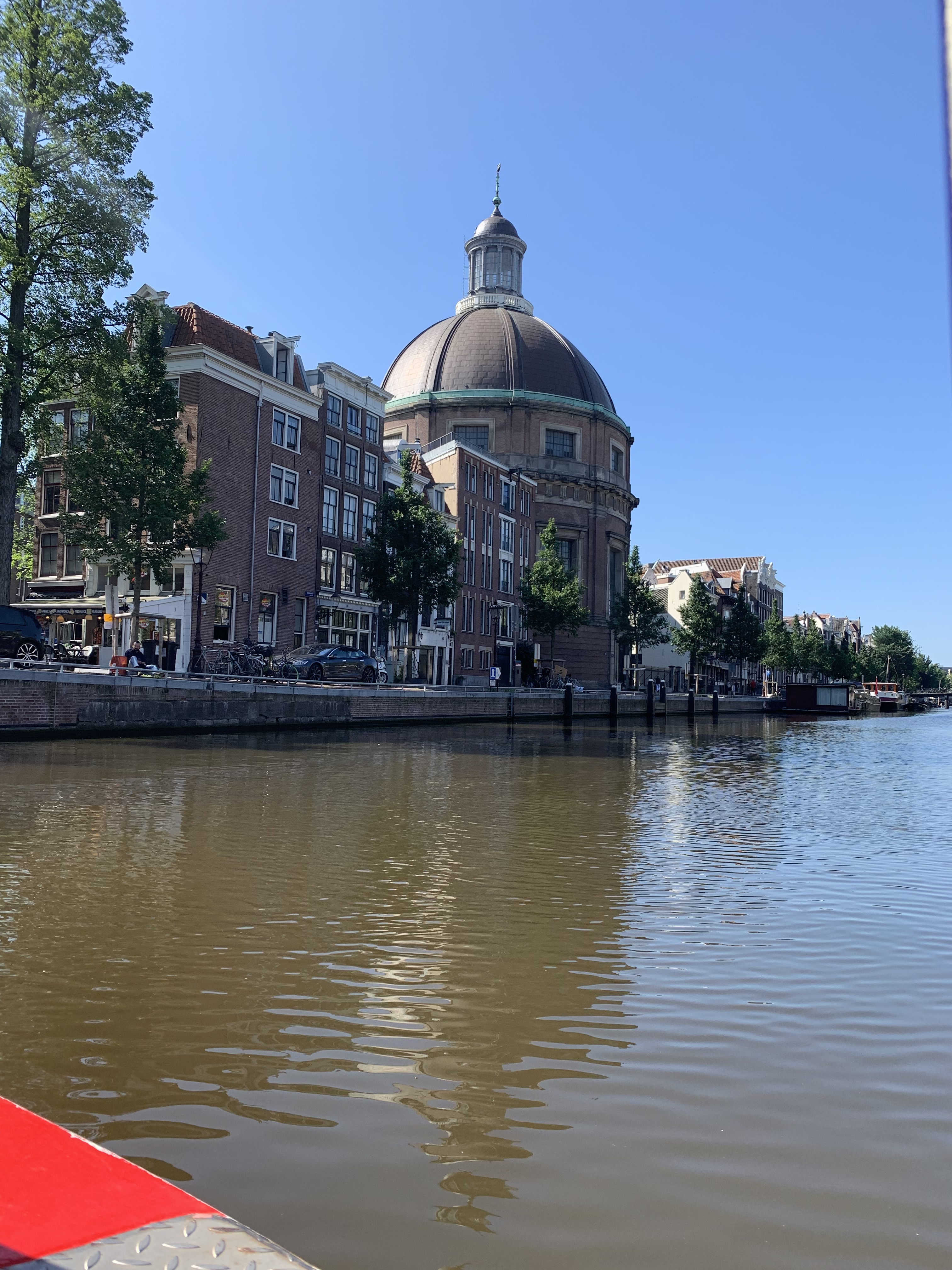
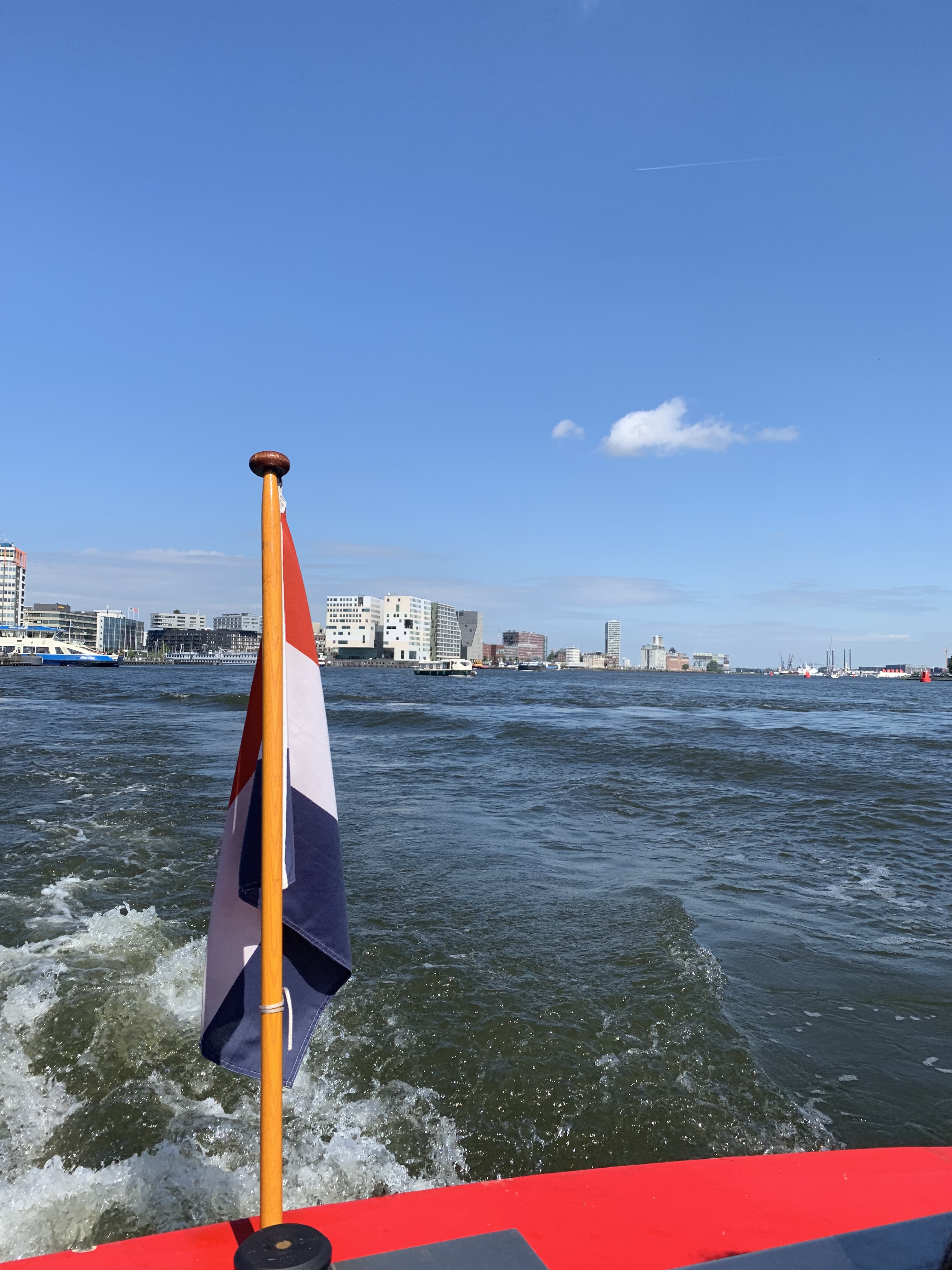
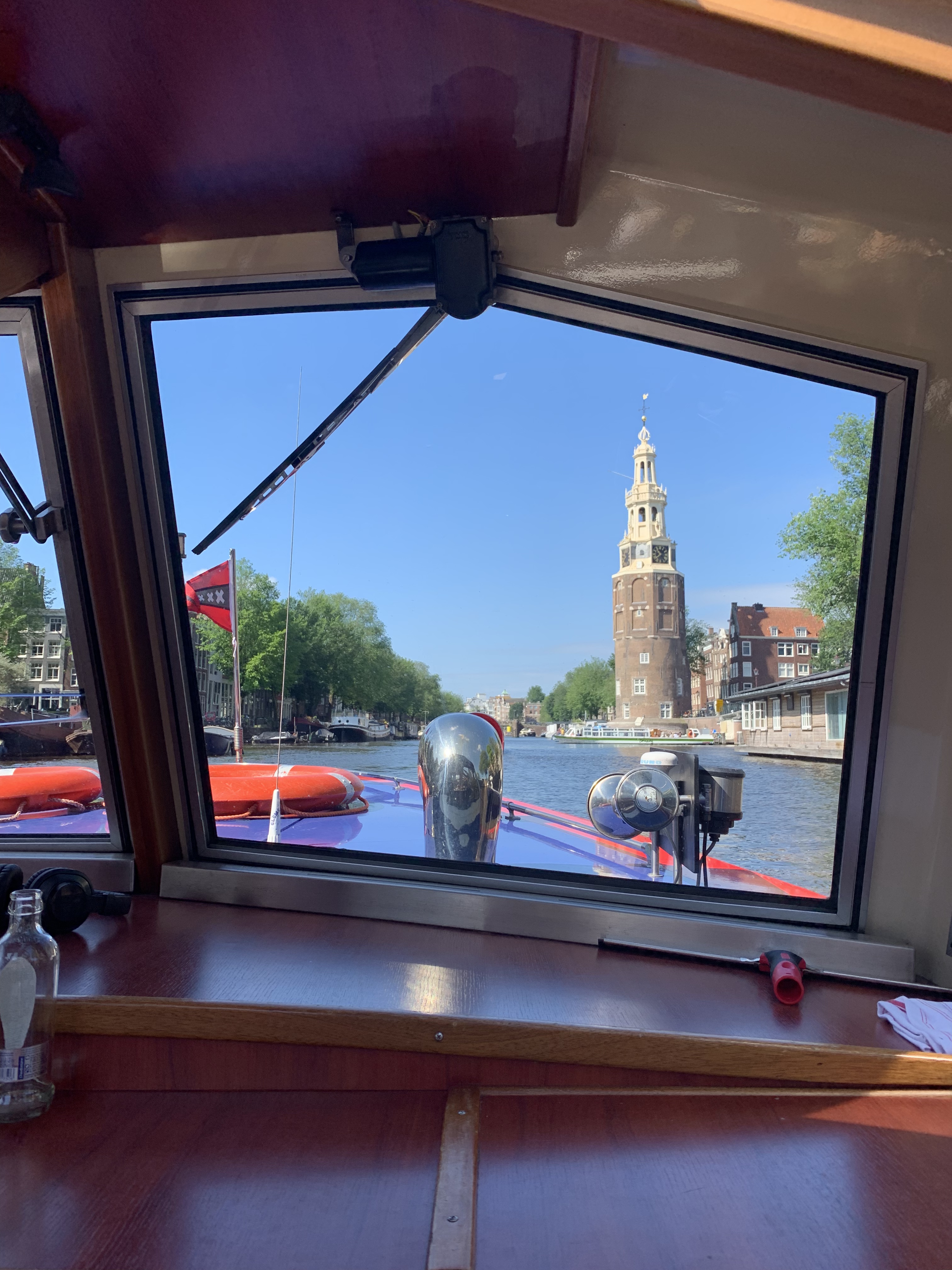
Each morning, we wake up and come to our hotel’s lobby, excited for the day ahead of us. Early Monday morning is our first full day in Amsterdam, starting with a walk over to the canal, passing the beautiful Vondelpark. All 26 of us pile into the tour boat and find our seats, figuring out which spot would hold our greatest vantage point of the city.

I pick a spot in the covered portion of the boat because they offer headsets to listen to the history of Amsterdam as we pass through each landmark and historical fact. The first thing I notice is the audio cassette offers 21 different language options. The 21st language is called, “Freshwater Pirate Language,” so naturally, many of us decided to listen to what the pirate had to say about the rich history of Amsterdam. This station lived a short life as it was made for children, and we only learned that Amsterdam was a trading port and “pirate” ships would leave for weeks and return with spices, ivory, sugar, and other valuable cargo. This was occurring during the ‘Golden Century’ (arrg). Though this is important information, we decided to switch over to the American English channel.

One of the most visual memories of Amsterdam are the unique houses lined up on the canal. These houses are over 300 years old, and have looked the same since. The houses are all painted different colors and styles because this is how the city folk showed their riches to their neighbors. The skinniest house one can buy is 1.4 meters across, and you would only have to pay for the width of the house. Knowing this, many people build up as high as they’d like. Because of the smaller spaces, half of the residents in Amsterdam live alone, and only 15% of the households have kids.

Of course, this is not the only housing option. Many decide to live on boat houses! There are over 3,000 house boats in Amsterdam, varying from the standard house boat, to steel, arcs, and wooden styles. These can be used for homes, businesses, gardens, animal shelters, and more. These came into style after World War II when there was a housing shortage. The Amsterdam city government, however, is not selling any more house boats, so if folk want to purchase one, they’d have to go directly to the owner, leaving the owner plenty of room to sell as high as she’d like.

Despite the many boats on the canal, Amsterdam is known for having clean water because it regulates the flow to and from each body of water surrounding the canals. The old water is habitually flushed out into the North Sea, and fresh water filters in from the IJ (pronounced “A”). The IJ is a body of water, formally a bay, in the Dutch province of North Holland, and known for being Amsterdam’s waterfront. Fun Fact! In the 16th and 17th centuries, because water was too contaminated to drink, beer was considered to be the healthier drink than water. Due to the meticulous nature of the water systems, the Netherlands is considered to be the most prepared country in the world for future flood, fires, and plagues.

In addition to the rich history and beautiful housing, the city has one of the largest tourist attractions, and greatest flower markets. This, personally, is one part of Amsterdam I am looking forward to! We are so lucky to be able to live in a city with meaning behind each building, and nature flowing through the lives. I can’t wait for the rest of the week of exploring all the pockets of Amsterdam we learned about on the boat tour.

  • Dana Henderson

Tilburg University- Higher Education in the NL (also Sex among religious youth in NL)

13 June 2019

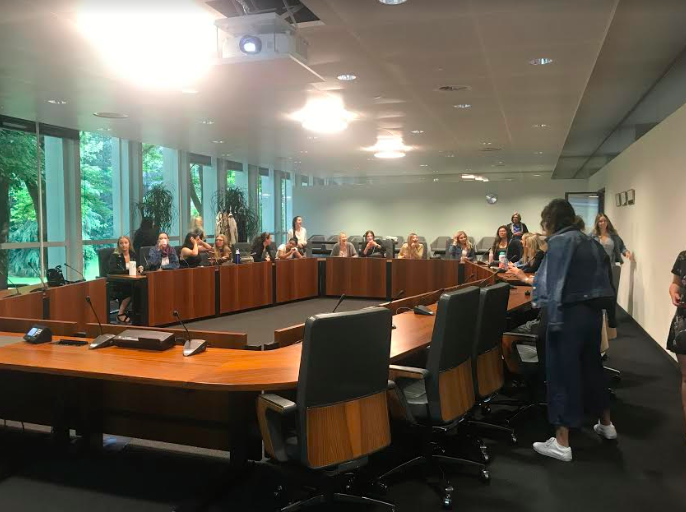
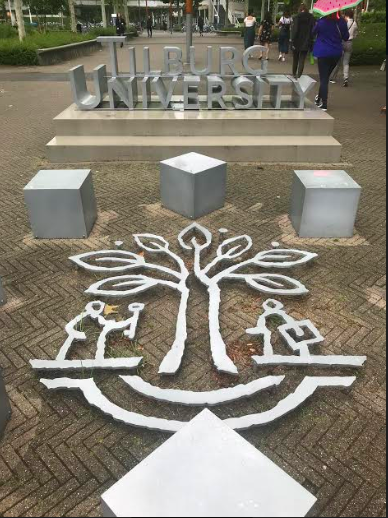
Today we traveled to Tilburg University where we got to meet some international students from a variety of countries. We learned that their grades are determined on a scale from 1-10. Many professors believe that 10 is a perfect grade and since no student is perfect, the highest grade most students receive is around an 8. As international students, some of them mentioned that they were surprised about how tests were organized in multiple choice. They saw this as a struggle since many of them had grown up with open ended or essay questions for tests. Within classes, students expressed gratitude for the school’s diversity since around 30 percent of the student population is international and that classes are taught in English. 

After our introduction to the university, we attended a lecture given by Dr. Hans van Dijk who is an assistant professor of Psychology. Since we are studying sexuality, he was studying sexual attitudes and behaviors of Christian youths. This study is important since sex is seen as taboo or even shameful in some churches. Dr. Hans created a workshop for various Christian groups to have a safe place to talk about their sexual experiences and feelings without being judged or condemned. The workshop also had a questionnaire at the beginning that asked about topics such as masturbation and watching porn, both of which are frowned upon by the church. The attitudes between men and women for both of these topics varied, however, men tended to engage in these activities more then the woman. What I found interesting is that despite the difference in sexually arousing activities, the amount of woman and men who have engaged in sex is 42 percent for both genders. 

The data for this study included around 3000 participants from all around the Netherlands. There may be some social desirability bias since participants may have felt judged if they answered truthfully. Overall it was a very interesting talk and it gave the class a glimpse of sexuality from a religious perspective. 

  • Lillian Witting

Circuit Training at David Lloyd Veldhoven, Netherlands

13 June 2019

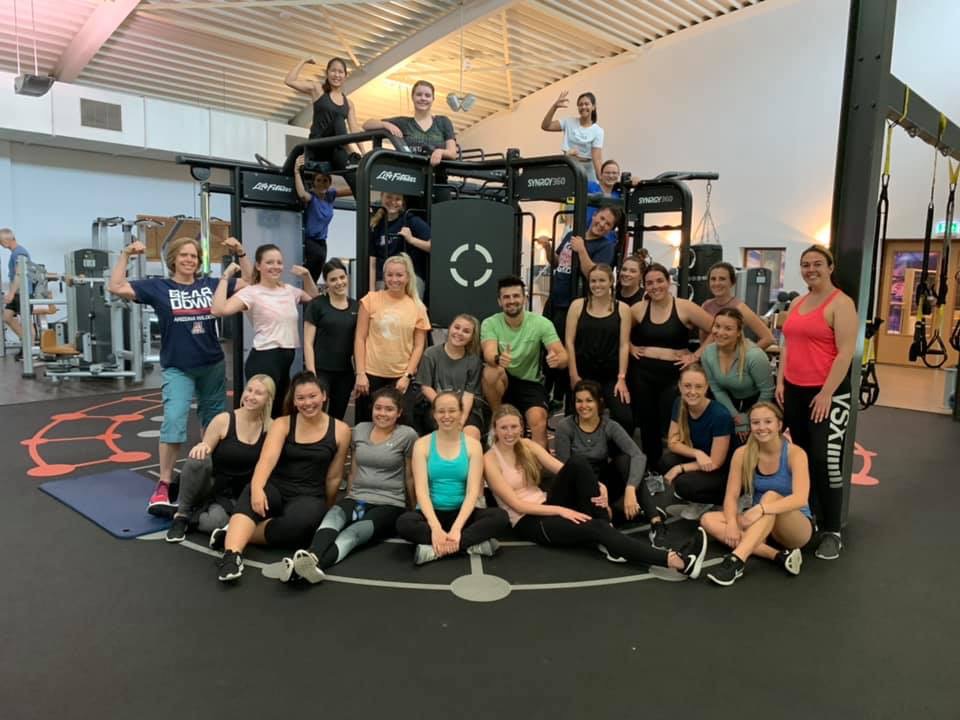
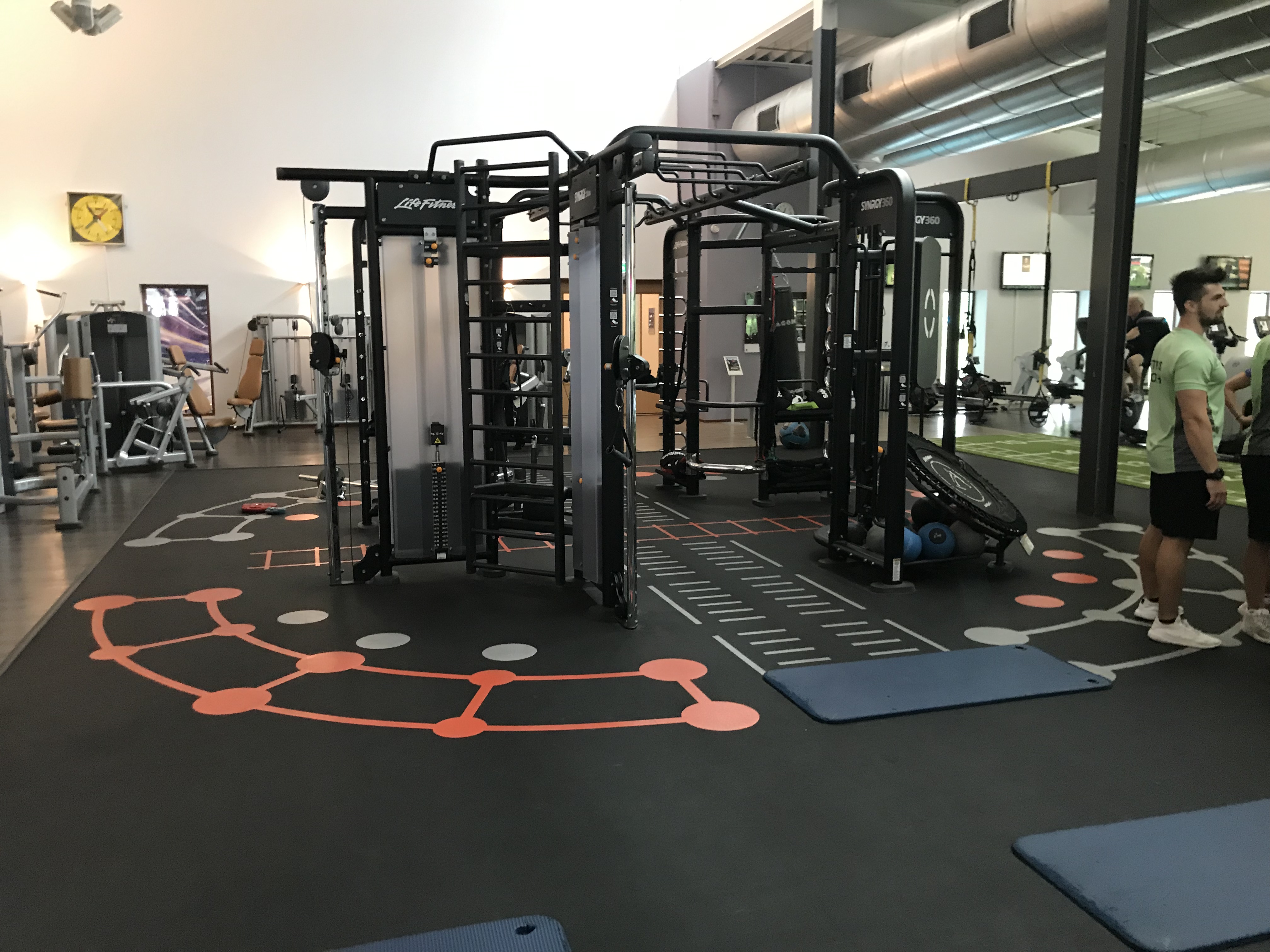
Today we all had the opportunity to do the workout we all felt we needed after the mountains of frites and chocolate Belgium had to offer. We went to the David Lloyd fitness club where we toured the facility and learned about the David Lloyd facilities and what they have to offer. This chain of fitness clubs is a British company with the goal to provide accessible and attainable fitness and activities for both the members and their children. They provide a wide range of services such as daycare in the mornings, classes for kids like Judo and soccer (football) as well as less strenuous activities for senior citizens and even family obstacle course training. 

After the tour, the instructors led us in a fitness class of our own. Our workout consisted of a warmup followed by a circuit training activity. The warmup of a few laps of a fake turf area consisting of running, jumping squats, walking lunges, and sumo squats gave us a good glimpse of what we were getting into and prepared us to start our high intensity training workout. 

The circuit was broken up into four stations that each group would rotate through. There was the fake turf area we used for the warm up, which would be used for running and endurance exercises. The next station was some floor mats and medicine balls used for core exercises, then moving to the next station of a large strength training area. This area was a cage that had multiple kinds of upper body strength activities from isolated lifting to movement like throwing a medicine ball. The last station used TRX bands for both upper and lower body training. 

The trainers partnered us up and had the partners distribute to different areas of the four stations. One partner would do the main exercise at the station while the other partner would do a similar but more of a resting exercise. The clock was set for two minutes at each station where the partners would switch activities after each minute or sooner depending on the activity. After each group completed all four stations, we all had a two minute rest then began the next of four cycles. After each complete cycle the trainers would switch up the activities at each station but keep them working the same area of the body so we were always doing something new but still working our whole bodies.

The full body high intensity interval trainings such as crossfit and circuit training like we experienced today have been becoming more and more popular. I asked our main trainer, Wojtek Przygodzki, what he thought about the new trend of H.I.I.T. and how it compares to traditional workouts such as just cardio with weight lifting. His reply was that H.I.I.T. is more of a full variation of exercises involving your whole body and improves your endurance where as traditional lifting is more stationary and only works on improving one muscle or muscle group at a time. Wojtek said that both are great sources of exercise but it depends on what you need to train more wether it’s building muscle mass or improving whole body training and endurance. I believe crossfit and H.I.I.T. workouts have become more popular because they are more fun, from personal experience today with everybody, as well as it’s a whole body workout in one. I’m glad we all had this experience today for a good workout to have fun and work off those frites!

  • Kira Tucker

Antwerp Pharmacy (De Apotheek van Antwerpen) with Dieter Van de Looverbosch

11 June 2019

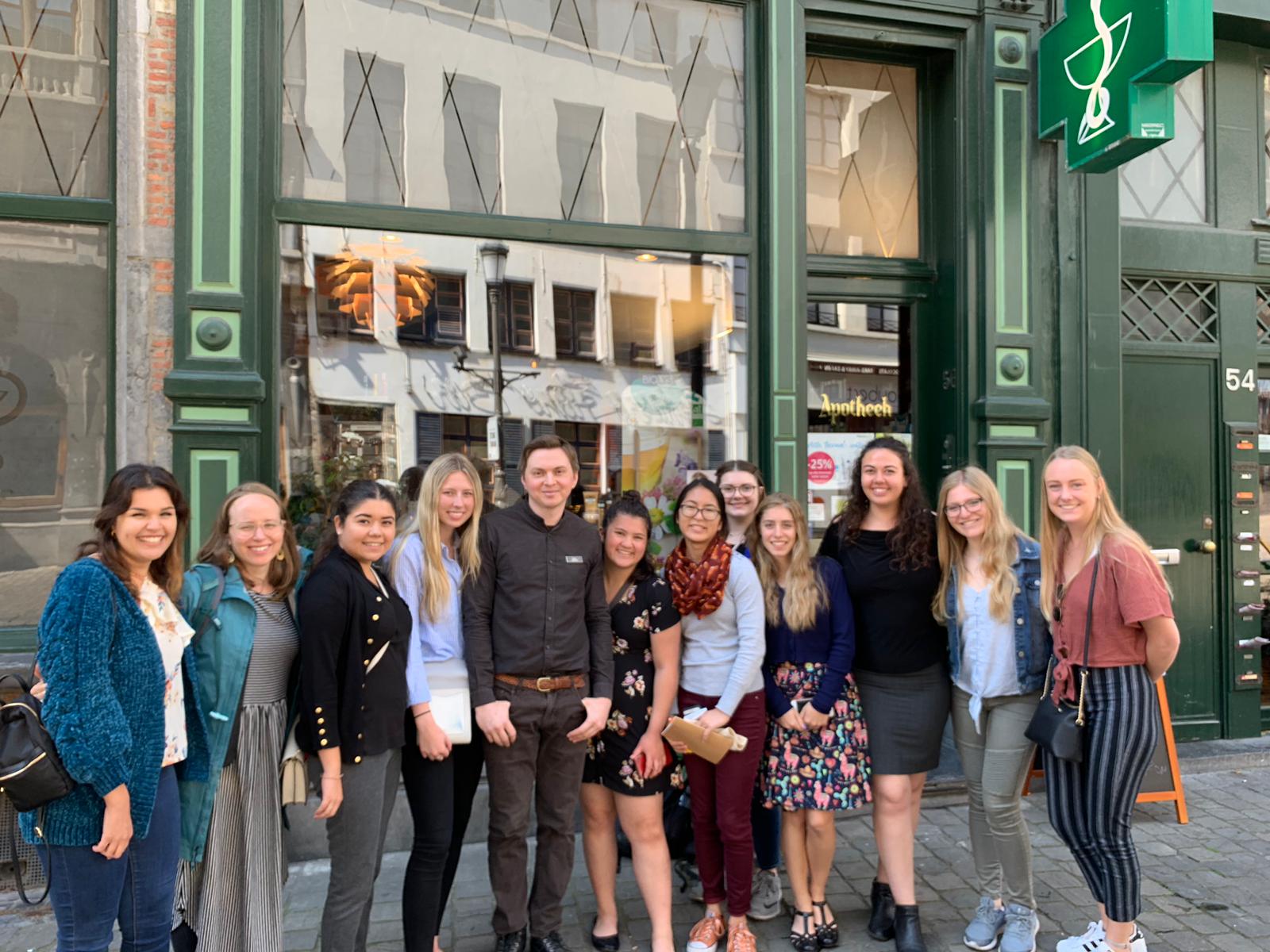
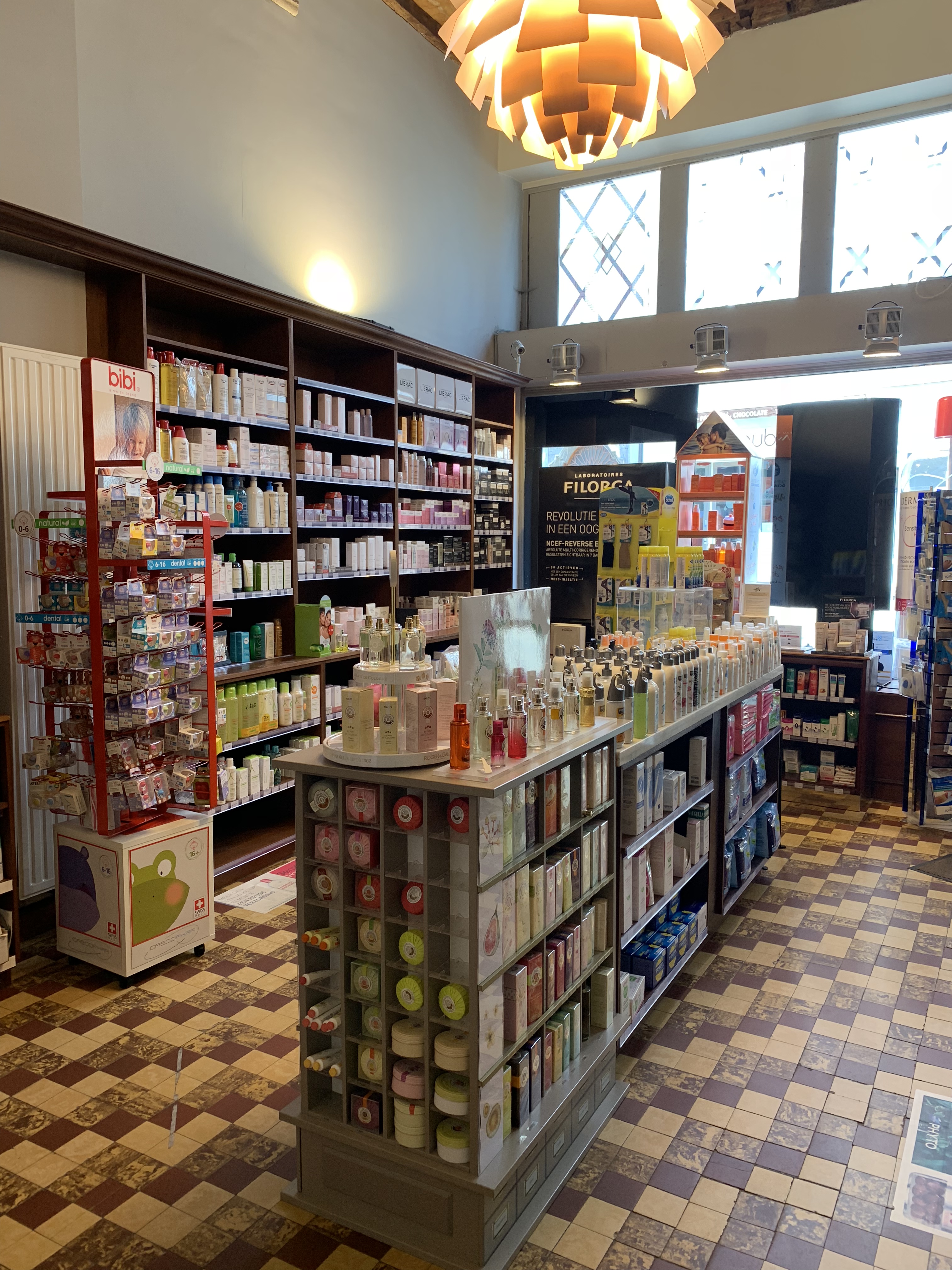
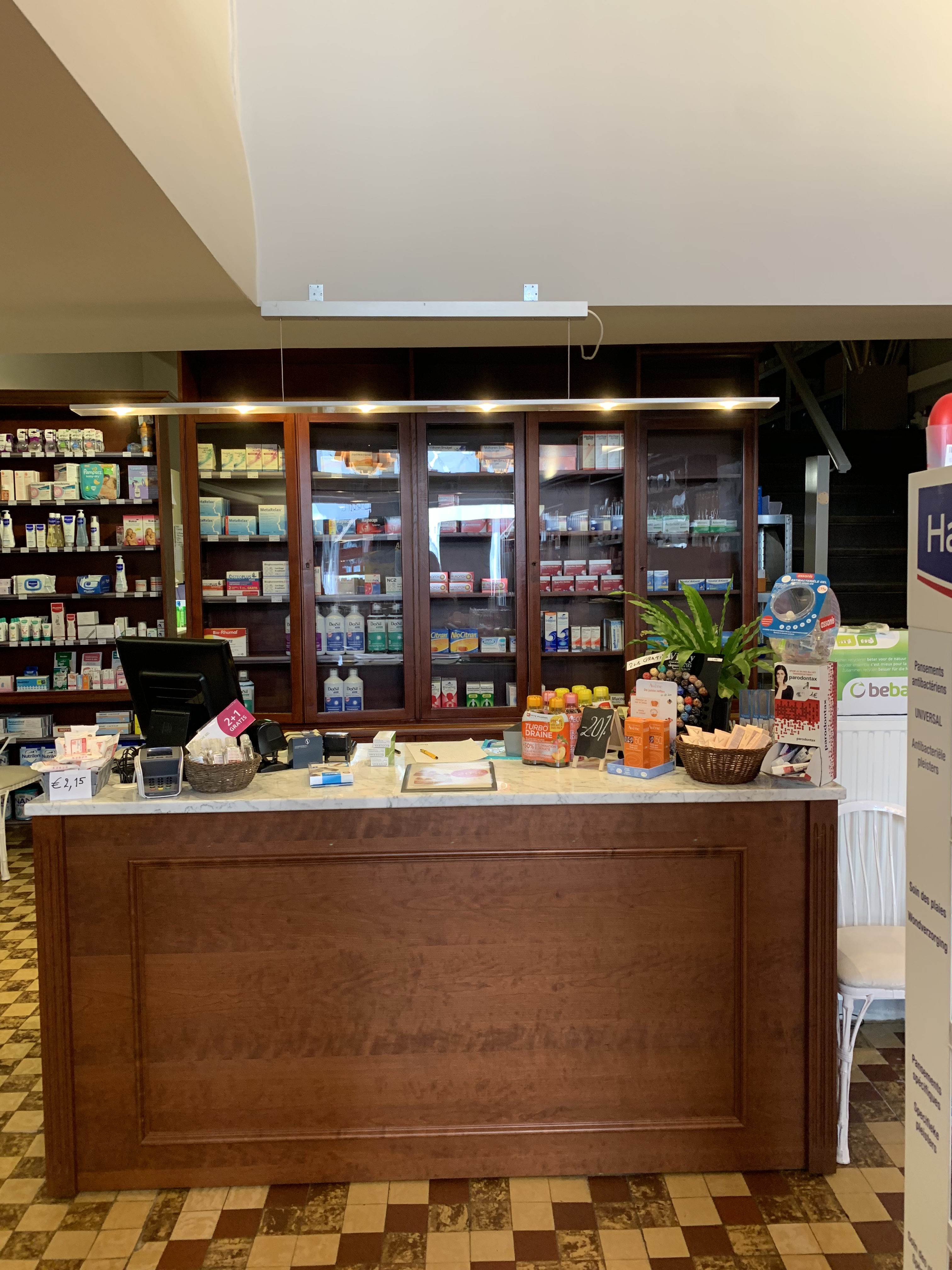
On June 11th, our group visited a pharmacy in Antwerp, Belgium right in the center square by the infamous statue of Barbo throwing the giant’s hand into the river. The head pharmacist gave us a summary of what they do in the Apotheek (pharmacy) and answered a few questions the group had about pharmacy practice and medication use in Belgium. 

Dr. Van de Looverbosch explained that the healthcare system in Belgium is different than any of the surrounding countries and that each citizen is required by law to sign a contract with a health insurance. Each insurance company provides the same amount of coverage for everyone but differs in religious or political preference. This is how people determine what insurance they would like to use. Once a citizen has insurance, they pay very little for prescribed medication. In comparison, the U.S. Medications are almost entirely covered by insurance, but there is a small portion the patients must pay. This amount does not change from insurance to insurance, it is the same for everyone. 

When asked about the most commonly prescribed medications, Dr. Van de Looverbosch gave us a list. The common medications he listed are prescribed for: pulmonary disease, high cholesterol, thrombosis, diabetes, multiple sclerosis, tumors, HIV, hypertension, antibiotics, osteoporosis, and anti-psychotics. The common non-prescription medications are purchased for: pain, fever, cold, yeast infections, eczema, mucus, cough and allergies. The discussion of common drugs segued into a conversation about birth control pills. We learned that, in Belgium, the use of contraception by 15-49 year olds has increased from 48% to 54% and the use of birth control pills specifically has doubled in 15-21 year olds. The IUD is also a popular form of contraception and 75% of women that don’t use the pill have an IUD instead.

In the US, we have a serious problem with opioids that physicians and pharmacists alike are hoping to fix. Belgium also faces similar circumstances with drug abuse and addiction. Signs of medication abuse are patients calling in prescriptions before their appointment with a physician, lying about a prescription, constantly “losing” medicine and needing replacements or just showing patterns of needing a certain drug consistently. Currently in Belgium, prescriptions are not done digitally like most are in the US, which allows more false prescriptions and lack of communication between physicians and pharmacists. By the year 2020, the prescriptions will be entirely electronic and a common server will be used by both physician and pharmacist to limit drug misuse and promote communication.

  • Julia Halloran

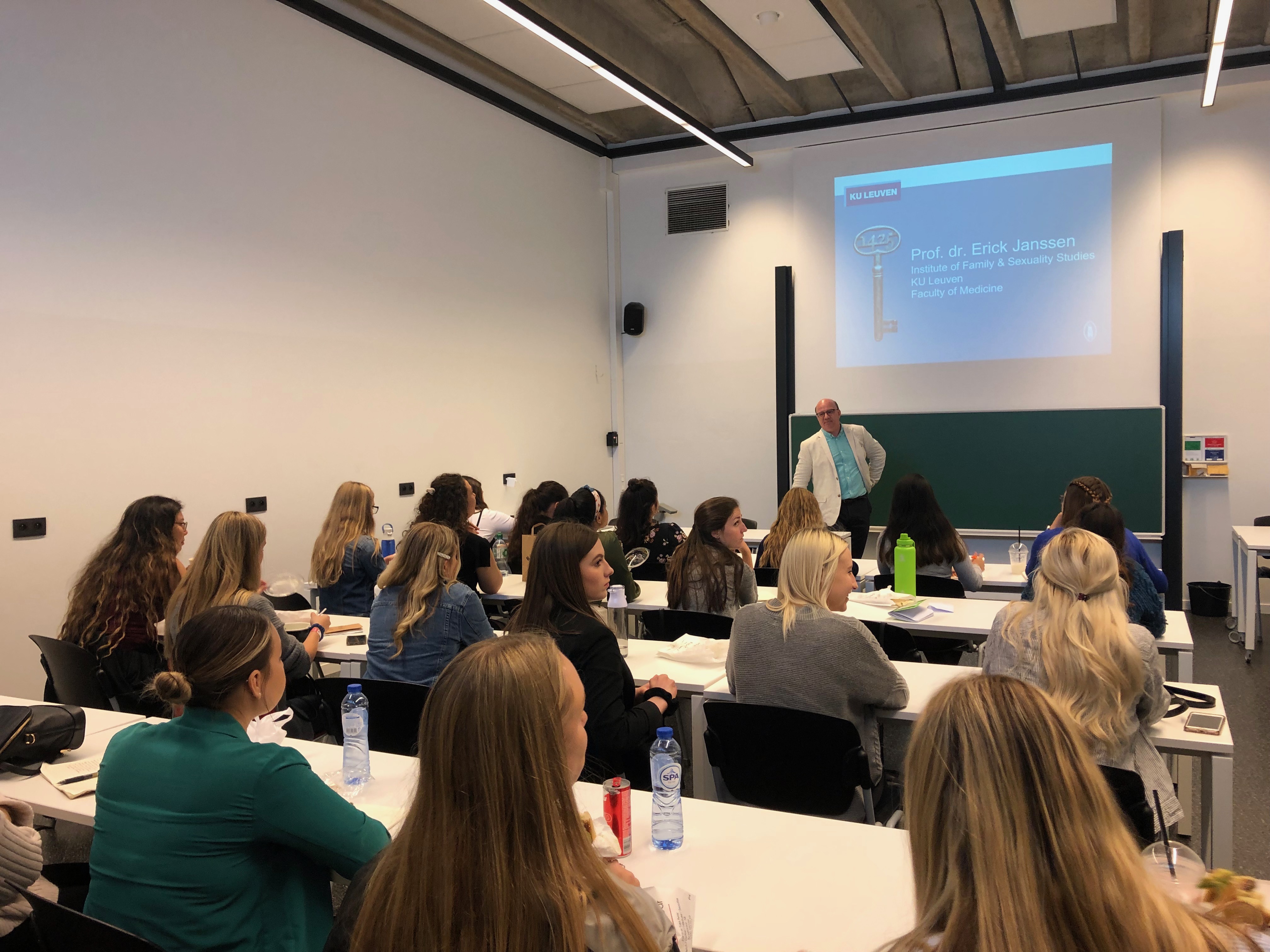
KU Lueven with Erick Janssen, PhD Sexual Research

Today we heard from Dr. Erick Janssen, PhD, about his research on how sex fits into relationships in young couples. We also heard about past research that has been done in the field of sexology and his experiences between the U.S. and Belgium when it comes to getting funding for the research and conducting studies. Sexology is still a fairly new field in research and many aspects of human sexuality are yet to be studied.

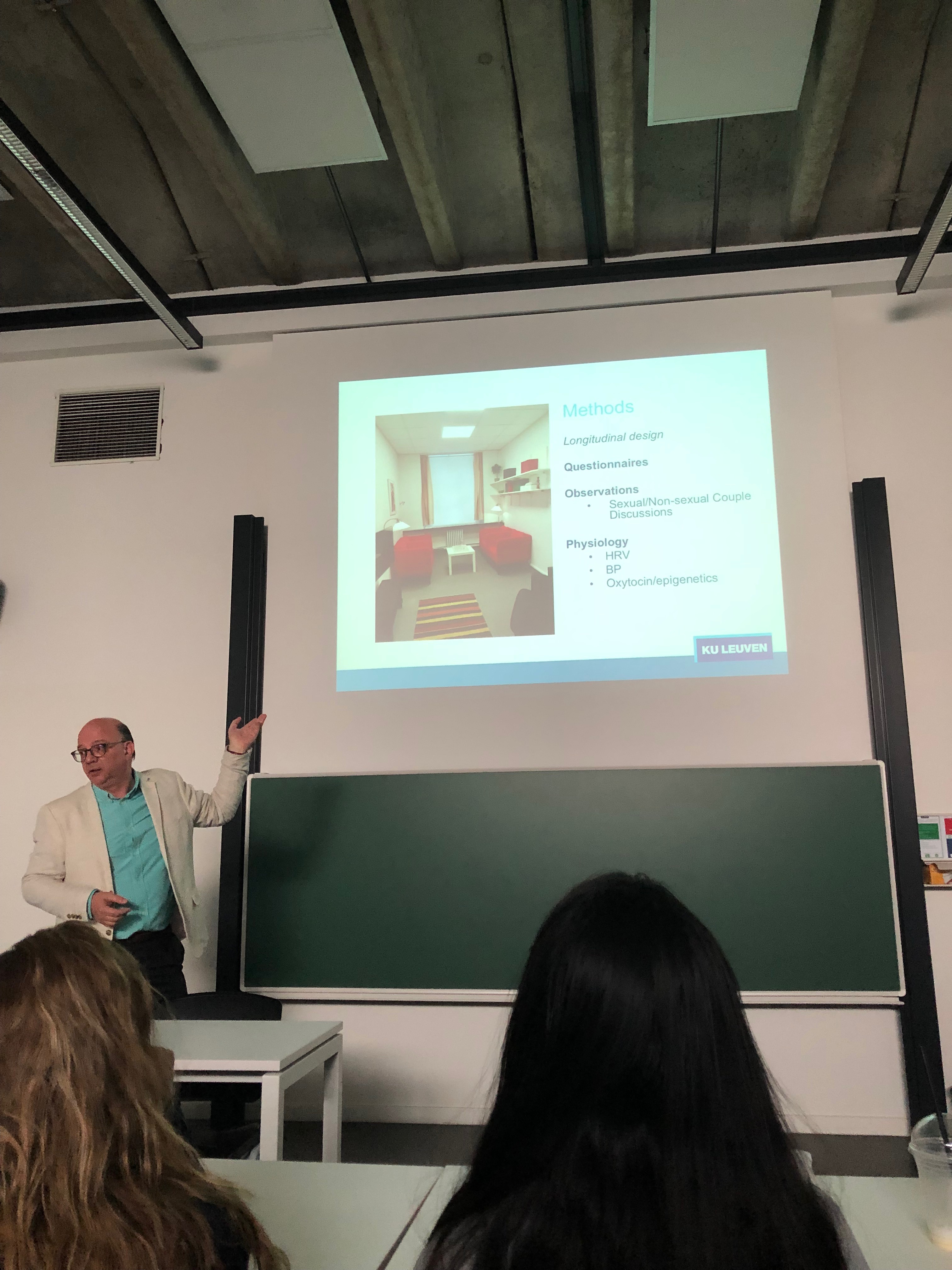
The study Dr. Janssen is currently working on is looking at how sex fits into relationships of young couples who are just beginning to live with each other and have not been together for more than three years. The study records conversations couples have in a room at the lab, and physiological responses are also measured. They are looking at coding the way things are said between the two people rather than just what is said. Communication so far seems to be more important rather than sex frequency in determining if relationships will last. This has been found in other studies, too. Dr. Janssen’s study is still going on.

Dr. Janssen also shared his experiences working on sex research in the U.S. vs. in Belgium, where he currently works. In the U.S., it was much more difficult to get funding, but surprisingly, he did not have much trouble finding participants for the studies. In the U.S., studies often will not get funding unless they are looking at sex research with respect to HIV/AIDS, STIs, or sexual violence. This may be because politicians often believe sex research should not be funded. It appears this could be because they have misconceptions about what the researcher is truly trying to accomplish. In Belgium, Dr. Janssen has found success largely due to his research getting the funds necessary and now he can study sex in relation to all areas, which may include disease or violence.

All in all, this was an interesting lecture and introduction into what sex research is.

  • Jaclyn Larson

University of Gent-Sexual Assault with Ines Keygnaert, PhD

7 June 2019

Our guest lecture today at Gent University was definitely one to remember. Professor Ines Keynegaert PhD gave a very sensitive and thoughtful presentation on sexual harassment and how The European Union is affected by it. We were able to learn statistics of victimization between the EU, hear intense and troubled quotes from survivors, and learn about Belgium’s Model: Sexual Assault Care Center.

My response to this specific subject is very intriguing and I personally am very interested in how victimization and sexual harassment remains a problem not only in the United States but throughout the globe. Sexual harassment is a very sensitive subject to talk about, but I believe that everyone should be aware of how each day the world is influenced by it. 

In this lecture one thing stuck out to me that people tend to forget and that was, “both sexes are at risk of victimization and perpetration.”

One main subject that we discussed about was the Sexual Assault Care Center coordinated by Dr. Keynegaert. This center provides services to victims of sexual violence that allow them to be treated and taken care of properly with having the main focus on them. Services of this care center includes forensic, medical and psychological testing to sexual violence victims. They are also currently launching a chatting systems that allows SV victims to come forward anonymously and talk about their experiences. 

Overall, this lecture was very eye-opening and allowed us to all take a second and think about how sexual violence around the globe should be more recognized.

  • ToniAnne Gray

Asse, Belgium OLV Hospital Palliative (hospice) care

6 June 2019

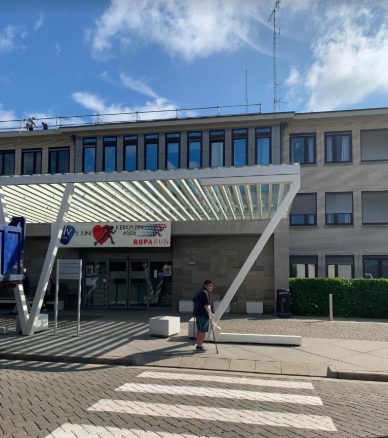
During our visit to the OLV Hospital we got the honor to visit the palliative or hospice care facility. Honestly, the time there gave me a new perspective on the Belgian healthcare system. Even though the doctor who worked there was very soft spoken she spoke with great pride about the quality of life the staff including her provides with the financial assistance from the government. This pertains for every 150,000 habitants there is 6 patients per facility that the government provides.

The patients who come are in the last weeks of their lives. There is an emphasis on providing for the patient as well as their families in the unit. The hospice is created to be similar to a home with a kitchen, kids area, living room, and even a bath. So, the family can come and be with their loved ones in comfort. The hospice follows the wishes and schedule surrounding the patient. It’s really nice because then the family can cook dinner together if they please.

This is a struggling and stressful time for the patient and the family. There are psychologists and the doctors talk them through any fears they may have. I thought it was so interesting that even the cleaning staff made connections with the patients and helped them through their last days. Additionally, I was amazed by the doves. If one cannot speak their feelings them they can write it on a piece of paper and make a paper dove out of it. This shows how they even communicate through art and text in this nonjudgmental environment.

Personally, the hospice care in Belgium is brilliant and truly wants the patient to do well and let the patient not be afraid of death. There last days can be remembered and it will make it a bit easier for the families to have closure. This is a great option for patients without families as well because the volunteers, psychologists, nurses, and doctors become your family. Overall, the hospice care is an important tool for the citizens to become closer as a country by supporting each other.

  • Sanjana Pathi

OLV Hospital Maternity Ward

6 June 2019

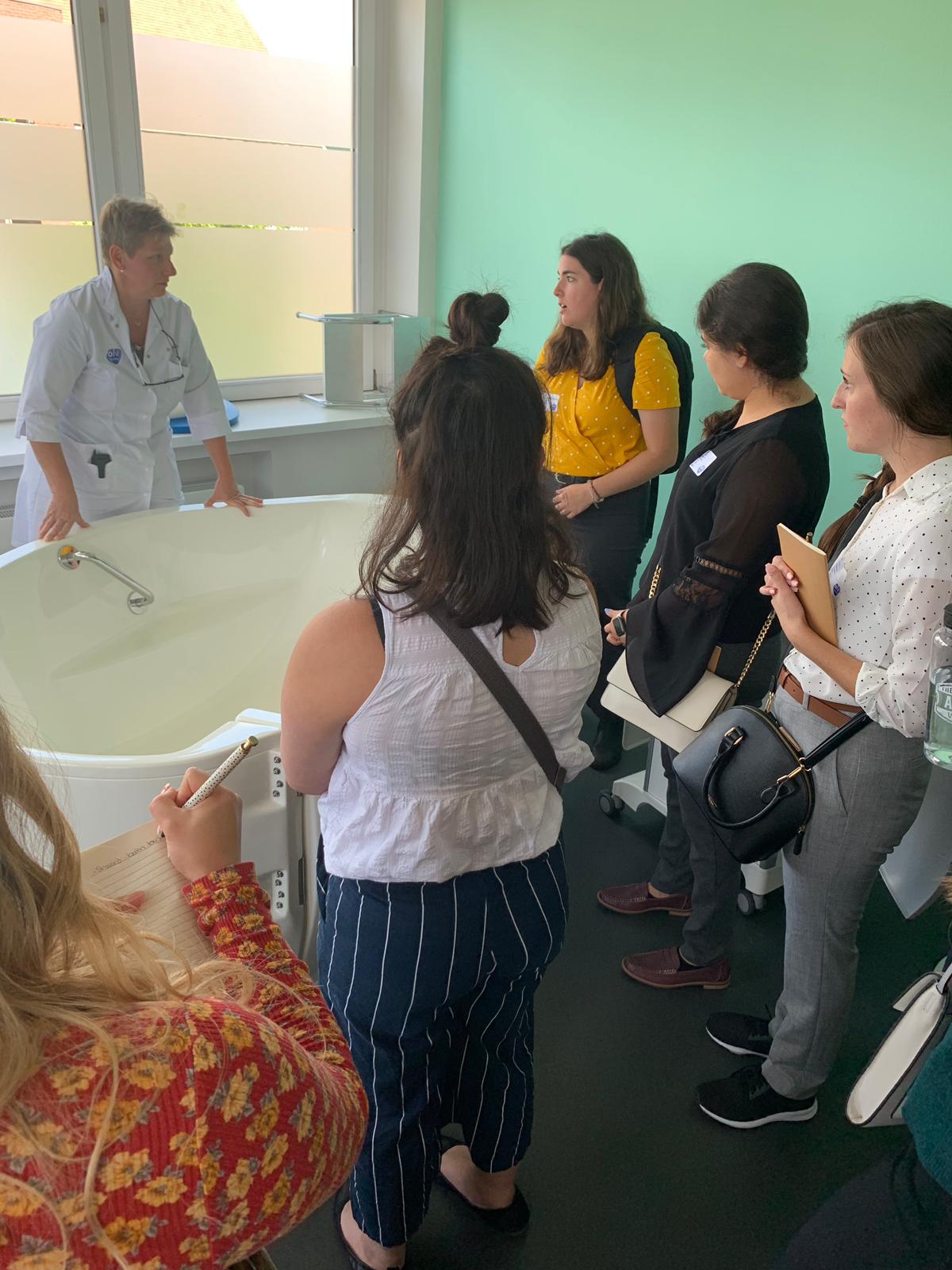
Today in Ghent we had the pleasure of visiting the OLV Hospital Maternity Ward with Dr. Kristine Gabriels, a doctor of both obstetrics and gynecology. We were able to sit down with her and discuss Belgium’s approach to pregnancy, childbirth, and postpartum care.

Dr. Gabriels shared her experience as an OB/GYN and explained that one of the reasons she chose this as her specialty is that it is a great blend of internal medicine and surgery. She gave us a tour of the maternity ward, showing us the features of the labor and delivery rooms, postpartum care rooms, and the NICU. One of the main things I noticed during our tour is that Belgian and American labor and delivery rooms are actually very similar in size. For some reason I expected European rooms to be larger, but Belgium just optimizes their space by using less clunky equipment and appliances that fold up into the walls, giving the room a more spacious feel (something I am sure laboring mothers appreciate).

During the tour of the facility we were also able to discuss some of the more controversial topics related to childbirth. One of those topics was abortion and how they are easy to obtain in Belgium before the end of the first trimester (first twelve weeks), but it is also up to the hospital to determine whether or not they will be a facility that perform abortions. At the moment, America is very divided on the subject of abortion with some states taking more extreme measures and making abortions almost entirely unavailable. It was refreshing to get another countries perspective on this highly discussed topic.  The most interesting item that we discussed today is the idea of a birth plan. Most expectant American mothers have a very specific and detailed birth plan before the date of delivery. However, there are many instances where that plan has to be changed at the last minute for both the mother’s and the baby’s safety. This can result in the family be disappointed with the overall experience. In Belgium, however, they emphasize flexibility, and instead they offer a tour of the facility with all of the difference equipment and rooms that we can utilized during the labor process. If a mother decides she wants a water birth, she can have one, and if she wants an epidural, she can have that as well.

Overall, I am grateful I was able the visit to the maternity ward. It was an eye-opening experience that really made me consider my viewpoints on subjects such as birth control, abortion, and birth plans.

  • Lizzie Church